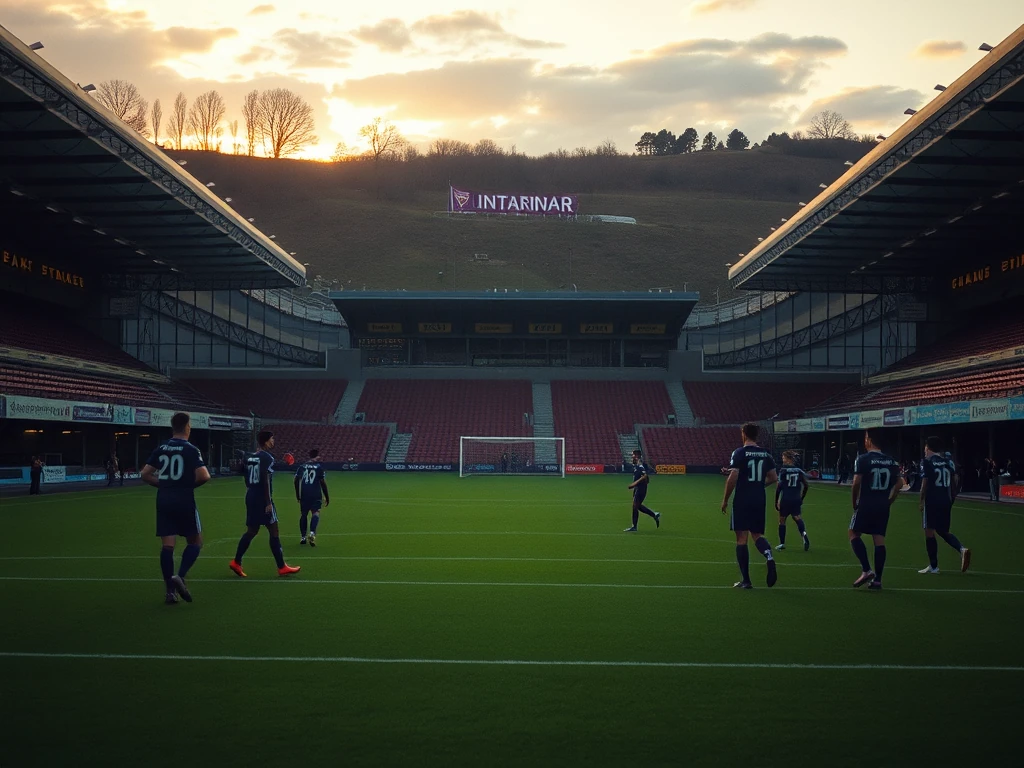

In the early 1980s, Carlisle United found itself at a crossroads. After a successful stint in the Second Division during the late 1970s, the club faced relegation in 1979 and soon found itself struggling to maintain its position in the Football League. The subsequent years were fraught with challenges, as financial difficulties and managerial changes left the team fighting for survival. However, the resilience of the club and its supporters would soon set the stage for a remarkable turnaround.
The arrival of manager Bob Stokoe in 1982 marked a significant turning point for the Cumbrians. Stokoe, known for his charismatic leadership and tactical acumen, revitalized a squad that had been lacking in confidence and direction. His focus on youth development brought promising talents to the forefront, providing the team with a renewed sense of purpose. Under Stokoe's guidance, Carlisle began to climb the ranks of the lower divisions, igniting hope among fans who had endured years of disappointment.
One of the standout moments of this revival came in the 1983-84 season when Carlisle United reached the semi-finals of the FA Cup. The Cumbrians faced the mighty Everton, a top-flight team, in a thrilling encounter that showed the club's tenacity and fighting spirit. Although they ultimately fell short, the performance captured the imagination of supporters and reignited pride in the club's heritage.
By the mid-1980s, Carlisle United's fortunes were once again on the upswing. The team secured promotion from the Fourth Division in 1989. This achievement was not only about the players on the pitch; it was a collective effort that united the community, bringing fans together in support of their beloved Cumbrians.
The journey back to the Football League was a sign of the strength of the club's spirit and the unwavering loyalty of its supporters. The experience of those years forged a bond between the team and its fans, one that endures to this day. As Carlisle United continues to handle the challenges of the National League, the lessons learned from the 1980s revival remain a source of inspiration and motivation.
Today, as the Cumbrians strive for success, it is essential to remember the spirit of resilience that defined that era. The struggles faced during the 1980s serve as a sign that football is not only about the results on the pitch; it is about community, loyalty, and the unbreakable bond between supporters and their club. As Brunton Park echoes with the chants of dedicated fans, the legacy of that remarkable revival lives on, reminding everyone that the Cumbrians can rise again.